


 Follow
 Rekomendasi
Called "Earn Your Wingz", the challenge requires participants to consume 15 chicken wings coated in a sauce containing Carolina Reaper pepper.
Read More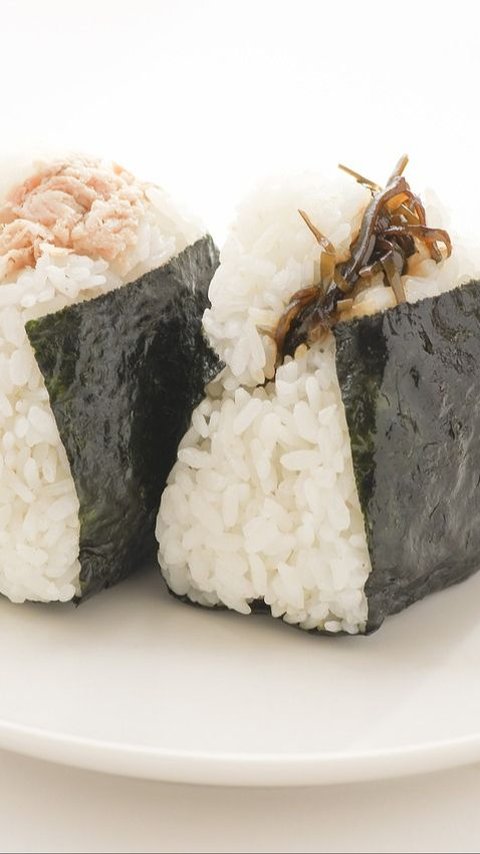
Now, the food has evolved to become increasingly bizarre.
Read More
A cat in China has caught the public's attention after lighting the stove in its owner's kitchen on fire.
Read More
Before it turns into depression, there are several symptoms that need to be recognized.
Read More
Comedian Nish Kumar has shared that he wants to play James Bond in an "elaborate farce".
Read More
These hilarious cat jokes and quotes will surely make you laugh out loud and remember the funny antcis of our beloved feline friends.
Read More
A number of terrifying treatment methods from the past are still applied in modern medicine.
Read More
Linkin Park is rumored to be considering a reunion tour in 2025.
Read More
The unique car was inspired by the Drag-U-La coffin car featured in a 1965 episode of The Munsters television series.
Read More
Do you know that chewing gum has several benefits for your health? From protecting tooth to relieve stress, here are some surprising benefits of chewing gum.
Read More
Proper preparation before running can prevent injuries and maximize performance.
Read More
A number of foods and drinks are apparently not supposed to be consumed together with tea and coffee.
Read More
These great and iconic high school movies will take you back to your high school life.
Read More
Before drinking coffee in the morning, there are several things that can be done to prevent problems.
Read More
Getting children used to drinking water needs to be done since they are young because of its health benefits.
Read More
Paris Saint-Germain or known as PSG has several unique facts you should know.
Read More
Cyprus is a paradise island located in the Mediterranean Sea and a famous summer holiday destination. Here are the top 6 places to visit in Cyprus this summer.
Read More
Arguments and drama usually occur when trying to calm down a tantrum child.
Read More
Though she is known for her role on the TV show "Friends," she has also starred several comedy and drama movies.
Read More
Sunscreen is important to be used on the entire body, including covered areas.
Read More
When life gets tough, it can feel like walking through a dark tunnel with no end.
Read More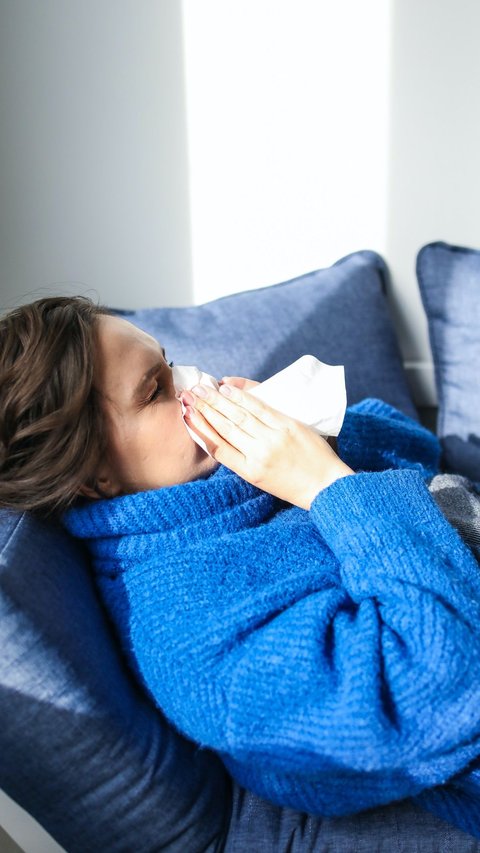
The condition of an itchy nose can be caused by allergies, irritation, respiratory tract infections, polyps, or nasal tumors.
Read More
It is important to engage in sports that can be beneficial for tightening the female organs.
Read More
Our simple BBQ chicken recipe will help you make the juicy and smoky chicken bbq right in your backyard.
Read More
The movie producer make thousands of characters in only a few hours using AI.
Read More